Canada's open fields range from the clay-heavy lowlands of southern Ontario to the wind-swept prairie margins of Manitoba and Saskatchewan. No single oak species performs equally across all of these settings. The three most widely planted oaks in Canadian field and restoration contexts — bur oak (Quercus macrocarpa), red oak (Quercus rubra), and white oak (Quercus alba) — differ in cold hardiness, drought tolerance, soil pH range, and eventual canopy size.
Bur Oak (Quercus macrocarpa)
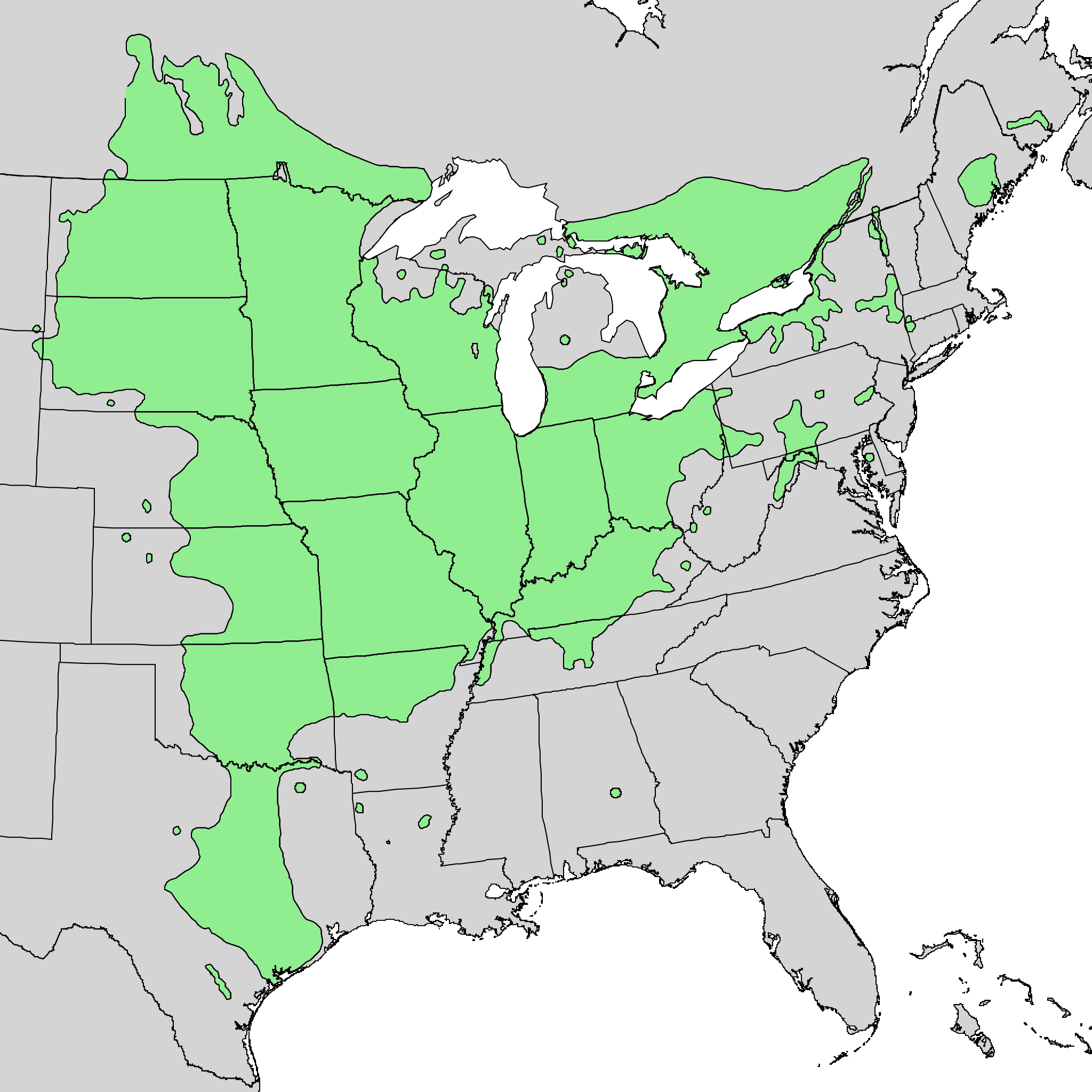
Bur oak is the most cold-tolerant of the three, reliably surviving in USDA/Canadian hardiness Zone 3 and documented as far north as the southern edge of Zone 2 in sheltered microclimates. Its native range in Canada extends through southern Manitoba, Saskatchewan, and Ontario, with significant populations along river valleys in the prairie provinces.
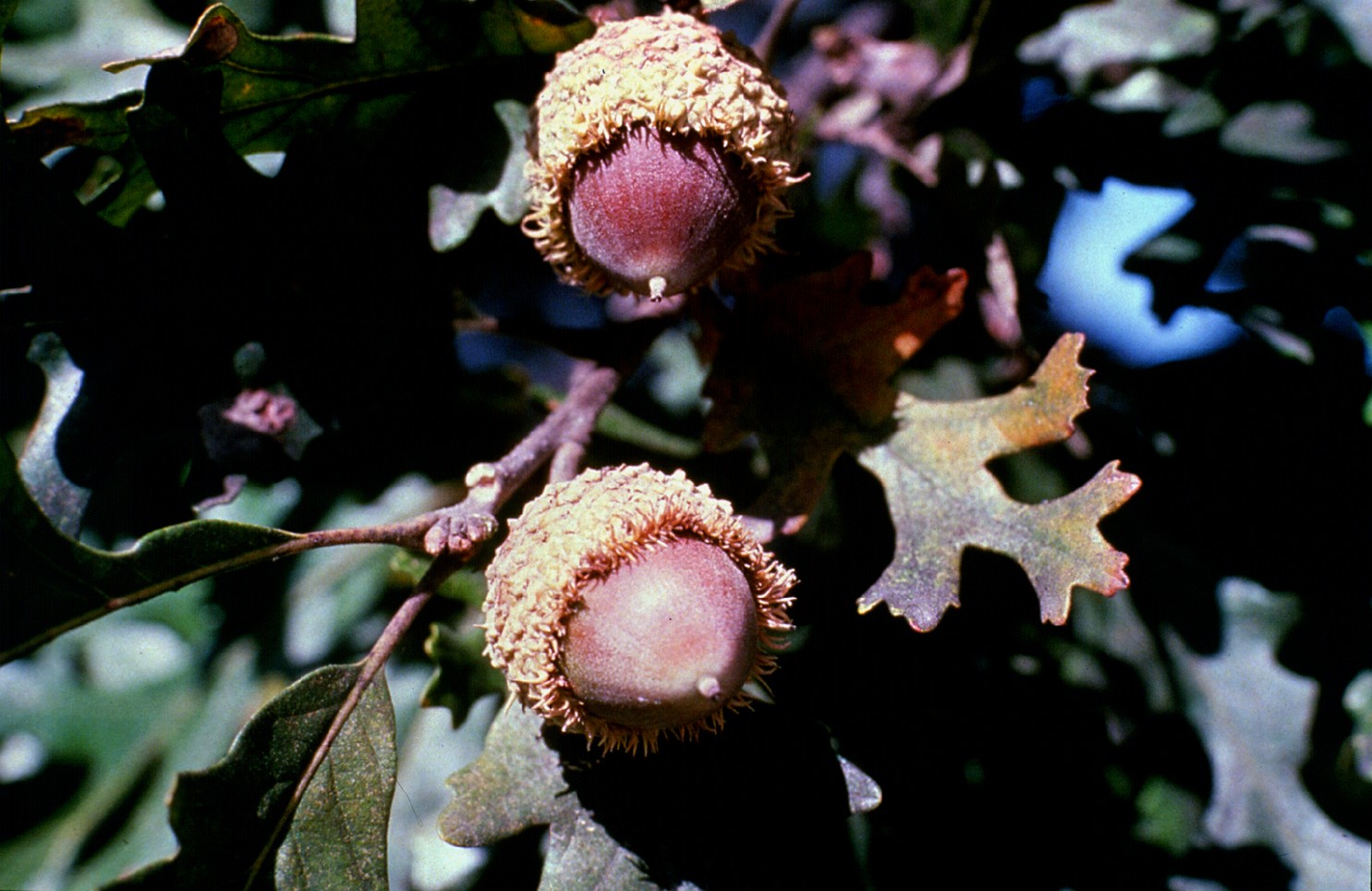
The species is notable for its deep taproot, which develops within the first two years and accesses subsoil moisture unavailable to shallow-rooted competitors. This makes bur oak unusually drought-resistant once established — a quality that matters on open prairie where summer precipitation can be unreliable.
Bur oak tolerates a wide soil pH range, approximately 5.0 to 7.5, and grows in both well-drained sandy loams and moderately heavy clays. It does not perform well in consistently waterlogged sites. Growth in open field conditions is slower than red oak — expect 30–50 cm of new growth per year in the establishment phase, increasing as the root system matures.
Range Distribution in Canada
The map below shows the documented native range of bur oak, which encompasses much of the Canadian prairie-woodland transition zone.
Red Oak (Quercus rubra)
Red oak is the faster-growing option, adding 60–90 cm annually under good conditions. It is native to eastern Canada, with its strongest presence in Ontario, Quebec, and the Maritime provinces. Its cold hardiness covers Zones 4 through 7, making it less suitable for Manitoba or Saskatchewan open fields without significant microsite shelter.
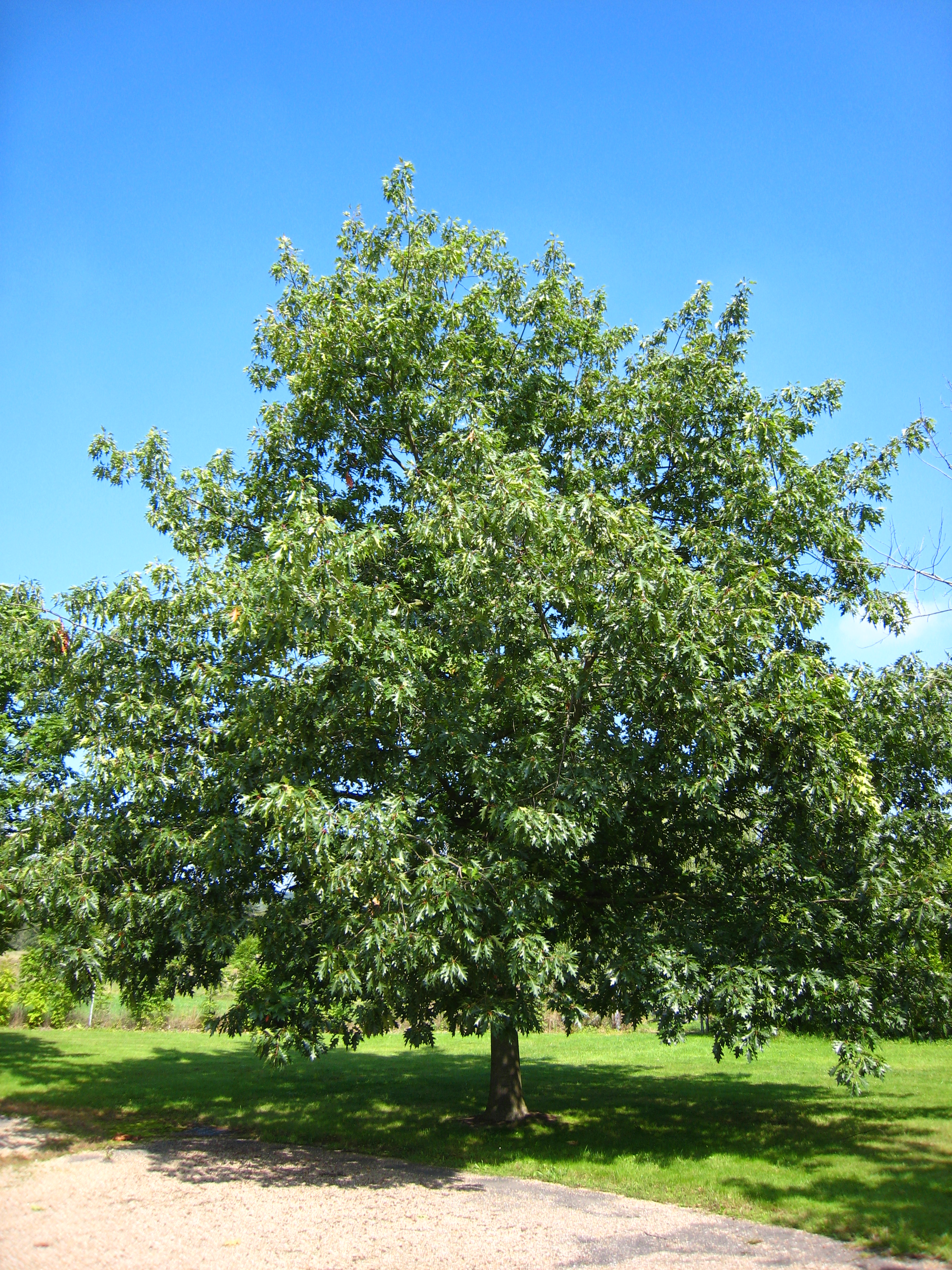
Red oak prefers well-drained, slightly acidic soils (pH 4.5–6.5) and is sensitive to prolonged soil saturation. On loamy or sandy soils in eastern Canada, it establishes more quickly than bur oak, but it requires more consistent moisture during the first two growing seasons and is more susceptible to late spring frost damage at the northern edge of its range.
For open-field plantings in Ontario and Quebec, red oak is often chosen for windbreaks and riparian buffer strips where faster canopy closure is a priority.
White Oak (Quercus alba)
White oak occupies a middle position between bur and red oak in terms of growth rate and cold tolerance. Its Canadian native range is limited primarily to southern Ontario, and it is Zone 4 hardy. White oak is valued for its wide, spreading canopy and its long-term ecological role — mature trees support a broader range of wildlife than most other North American oaks.
It grows well on deep, well-drained soils with a pH of 5.5–7.0, but is less tolerant of poor drainage or heavy clay than bur oak. For large open-field planting programmes in southern Ontario, white oak is a frequently used species, particularly where soil preparation includes organic matter amendment.
Selecting by Province and Zone
The following summaries reflect the documented performance of each species in Canadian field conditions, based on provincial forestry guidance and established horticultural records:
- Manitoba and Saskatchewan: Bur oak is the primary choice. Zone 3 hardiness and drought tolerance address the two main constraints in prairie field planting.
- Ontario (central and southern): All three species are viable. Red oak suits faster-growing windbreak applications; bur oak performs on heavier clay soils; white oak is preferred where long-term wildlife value is a priority.
- Quebec (southern): Red oak is most commonly planted. White oak is used in sheltered lowland sites with improved soils.
- Maritime provinces: Red oak performs well in milder coastal Zones 5–6, with white oak used on suitable sites in New Brunswick and Nova Scotia.
A Note on Seed Provenance
Regardless of species selection, sourcing planting stock from local or near-local seed provenance improves cold hardiness and long-term survival. A bur oak grown from seed collected in Manitoba will generally outperform one grown from Iowa seed in a Manitoba planting site, even if both are labelled as the same species. Provincial nurseries and seed banks can advise on sourcing.
References: Natural Resources Canada — Tree Species of Canada; Ontario Tree Planting Program.