Oak & Field
Growing Oaks
Across Canada
A reference on selecting the right oak varieties, establishing saplings in open fields, and keeping young trees healthy through Canadian winters.

Oak & Field
A reference on selecting the right oak varieties, establishing saplings in open fields, and keeping young trees healthy through Canadian winters.
Articles
Detailed, field-tested information on oak varieties suited to Canadian conditions, planting methods, and seasonal care.
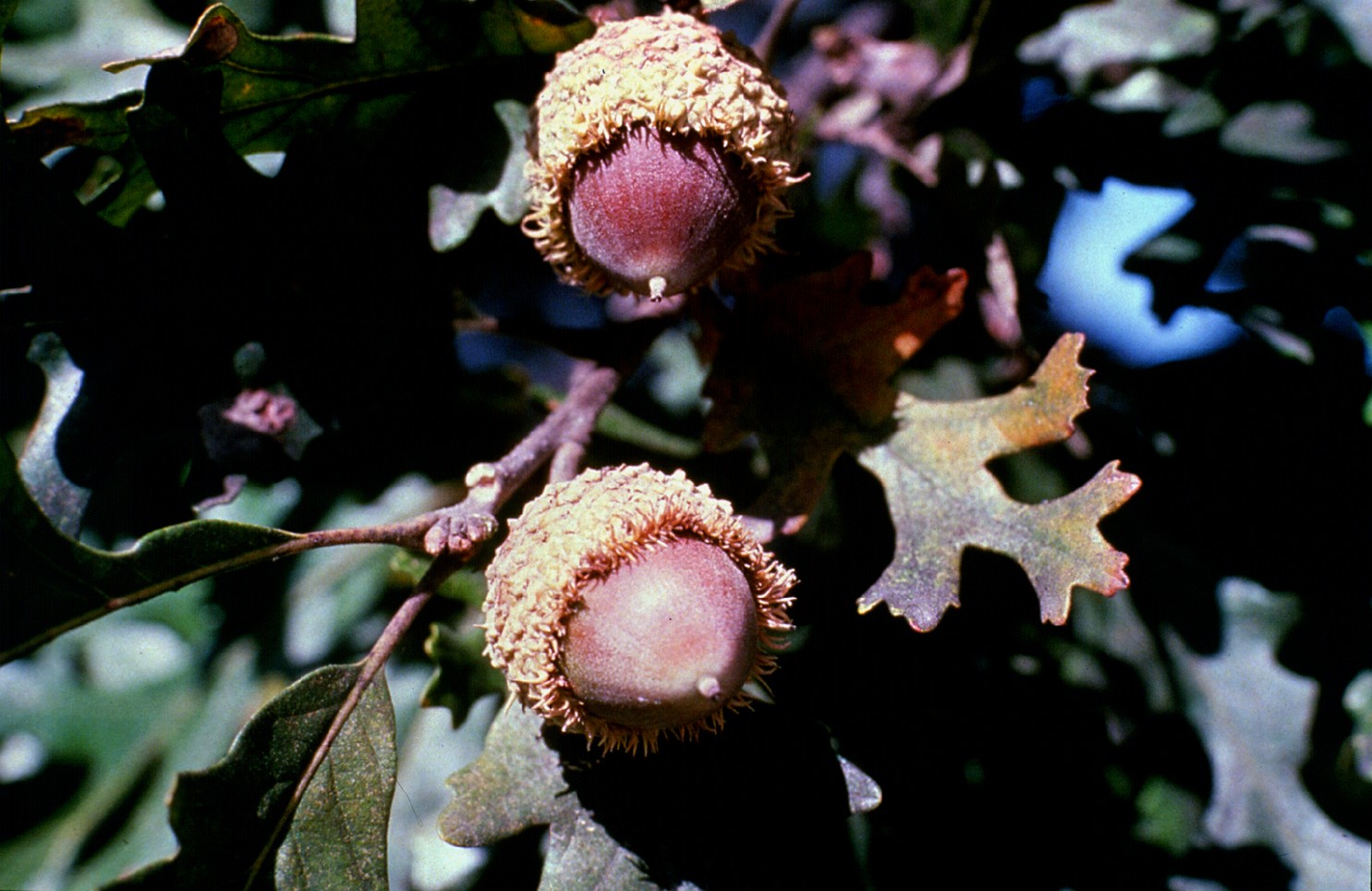
Bur oak, red oak, and white oak each behave differently across Canadian provinces. Understanding cold hardiness zones and soil type determines which species establishes well.
Read article →
From choosing planting stock to backfilling the hole and watering schedules during the first growing season — a practical walkthrough for field planting.
Read article →
Deer browse, gypsy moth, late frosts, and ground heaving are the most common threats to oak saplings in their first three years. Here is how to address each one.
Read article →Site Conditions
Open Canadian fields expose young oaks to conditions that woodlot plantings do not: full sun, wind exposure, compacted agricultural soils, and competition from grass and forbs. Each of these factors affects establishment differently depending on the province and elevation.
Selecting a microsite with adequate moisture retention, even slight topographic shelter, and a soil pH between 5.5 and 7.0 significantly improves survival rates in the first two years.
Key Considerations
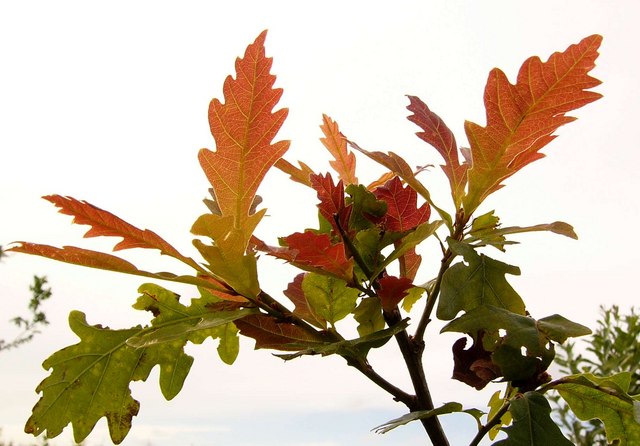
Canada spans Zones 0 through 8b. Bur oak (Quercus macrocarpa) tolerates Zone 3 reliably. Red oak (Quercus rubra) suits Zones 4–7. Choosing a variety outside its documented zone results in winter die-back and stunted regrowth.
Spring planting, once soil reaches 10°C, gives roots several months to anchor before winter. Fall planting is possible in mild zones but carries higher risk of frost heaving in clay soils. Container-grown stock is more forgiving than bare-root in either season.
A newly planted oak has a root system far smaller than its canopy. In the absence of rain, watering every 7–10 days through the first summer — roughly 10–15 litres per session for a 60 cm sapling — prevents drought stress that otherwise manifests as leaf curl and early leaf drop.

Natural Regeneration
In some landscapes, oaks already regenerate naturally from seed or from root sprouts. Understanding how to identify and support this growth reduces the need to source and plant new stock.
Acorn germination requires moist, well-drained soil and protection from rodents during the first winter. Stump sprouts, where present, grow faster than planted seedlings because they draw on an established root network.
References: Natural Resources Canada — Tree Species